The 2/14th Punjab Regiment was an infantry battalion of the British Indian Army formed in 1938. It arrived in Hong Kong in November 1940 under China Command, fought valiantly during the Japanese invasion in December 1941, and was captured after the garrison surrendered.
History and Movements
•1938: Organized at Kohat with A (Sikh), B (Dogra), C, and D companies.
•1938–1939: Served on anti-terrorist and internal security duties in Dacca (Bengal).
•1939–1940: Stationed in Mhow for training and mechanization.
•1940: Sailed on the SS Ellenga and landed in Hong Kong on November 11, 1940, replacing the 1st Kumaon Rifles at Whitfield Barracks.
World War II and the Battle of Hong Kong
•Frontier Duty: Commanded by Lt.-Col. Gerald Kidd, elements (like 'C' Company) held forward observation lines at Fan Ling when the Pacific War began on December 8, 1941.
•Defense: Fought alongside the 5/7th Rajput Regiment and other allied forces against Japanese assaults.
•Captivity: Endured heavy casualties and imprisonment as POWs following the British surrender on Christmas Day, 1941.
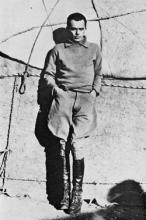
Photos of this organisation:

Comments
The 2nd Battalion, 14th…
The 2nd Battalion, 14th Punjab Regiment fought in the defense of Hong Kong during December 1941. Stationed on the island after arriving in late 1940, elements of the battalion, alongside local volunteers and the Middlesex Regiment, defended the strategic North Point area and nearby power station against the initial Japanese landing on the night of December 18, 1941.
Key Actions at North Point
•The Invasion: Japanese forces under Colonel Shoji made their primary amphibious assault across the harbor onto Hong Kong Island at North Point on the night of December 18.
•The Power Station Defense: Portions of the 2/14th Punjab Regiment, the Hong Kong Volunteer Defence Corps (HKVDC), and allied units fiercely contested the North Point Electric Power Station and surrounding shoreline against the landing waves.
•Counterattacks: Portions of the battalion attempted counter-offensives and relief efforts around North Point and uphill ridges amidst heavy mortar fire and blazing oil installations, though communications breakdowns hampered coordination.
•Casualties and Capture: The battalion suffered heavy casualties during the battle (55 killed, 69 missing, 161 wounded) before the garrison surrendered on Christmas Day, December 25, 1941. Many survivors were subsequently imprisoned in camps such as North Point POW Camp.